
This article is written by Mariana de la Roche Wills, Chief Policy Officer and Nikki van de Veerdonk, Policy Researcher at the Menstrual Health Hub (MH Hub), a Berlin-based female health non-profit focused on strengthening the global female health ecosystem. Mariana is a specialist in human rights and humanitarian law and Nikki has a masters in public administration and applied ethics.
Few investments have a bigger payoff than investing in girls’ education.
According to the World Bank, giving girls access to schooling is a central part of eradicating global poverty: “Better educated women tend to be healthier, participate more in the formal labour market, earn higher incomes, have fewer children, marry at a later age, and enable better healthcare and education for their children, should they choose to become mothers. All these factors combined can help lift households, communities and nations out of poverty.” Lack of education puts women and girls at a higher risk of trafficking, exploitation, child marriages and other harmful practices.
Despite considerable progress over the last two decades, gender disparity in education continues, preventing millions of women and girls from realising their full potential. Worldwide, unequal access to education is one of the clearest examples of discrimination that females are subjected to. Even though girls are entitled to the full exercise and equal enjoyment of the right to education, there are twice as many girls than boys likely to never attend school. In total, around 132 million girls between the ages of 6 and 17 are out of school.
There are many factors keeping girls out of school, including poverty, unfavourable school environments, discrimination and cultural factors, early marriage and school-related violence. In addition to these barriers, there are strong indications that a girl’s first period affects the amount of education she receives. For instance, physical pain or discomfort, lack of menstrual products and WASH (water, sanitation and hygiene) infrastructures can contribute to preventing girls from attending school. But despite indications that a girl’s first period affects their desire and ability to attend school, reliable large-scale research has yet to be done, making it difficult to know for sure how strong this link is.
To ensure every girl and woman can claim her right to education, we need to know the role that the menstrual cycle plays in their ability to access it and if the menstrual cycle is indeed a barrier.
This article presents an overview of findings that suggests the relationship between menstruation and girls’ attendance to school, identifying the need for quantitative research that proves the link between these two factors.
Throughout this article, the term "girls and women" is used as a shorthand term to increase readability and refers to all menstruators regardless of gender identity. A menstruator is a person who menstruates and therefore has menstrual health and hygiene needs — including girls, women, transgender and non-binary persons. Not all women menstruate and not all menstruators are women.
The link between menstruation and school absenteeism
Factors that determine whether a girl can access education are complex and multifaceted.
In addition to the aforementioned barriers, there are repeated indications in the past decade that a girl’s first period affects the amount of education she receives.
Yet, scientific research about the relationship between menstruation and school absenteeism is sparse. The widely quoted statistic of “one in ten school-age girls in Africa misses school or drops out for reasons related to her period” is unfounded, as the source cannot be traced and the claim has had limited empirical evidence to back it up over time. And while a 2020 overview of MH research put together by WoMena shows that there is a growing body of literature based on empirical data that examines the link between school absenteeism and menstruation, it also demonstrates that there are no overarching studies or data and methodologies.
To ensure every girl and woman can claim her right to education, we need to know the role that the menstrual cycle plays in their ability to access it and if the menstrual cycle is indeed a barrier. If the influence of menstruation on school attendance remains unconfirmed or unclear, necessary actions could be neglected or any actions undertaken to correct this could be the wrong ones or inefficient, not alleviating the problem. Therefore, conducting large-scale evidence-based research on menstruation-related school absenteeism is a mandatory priority.
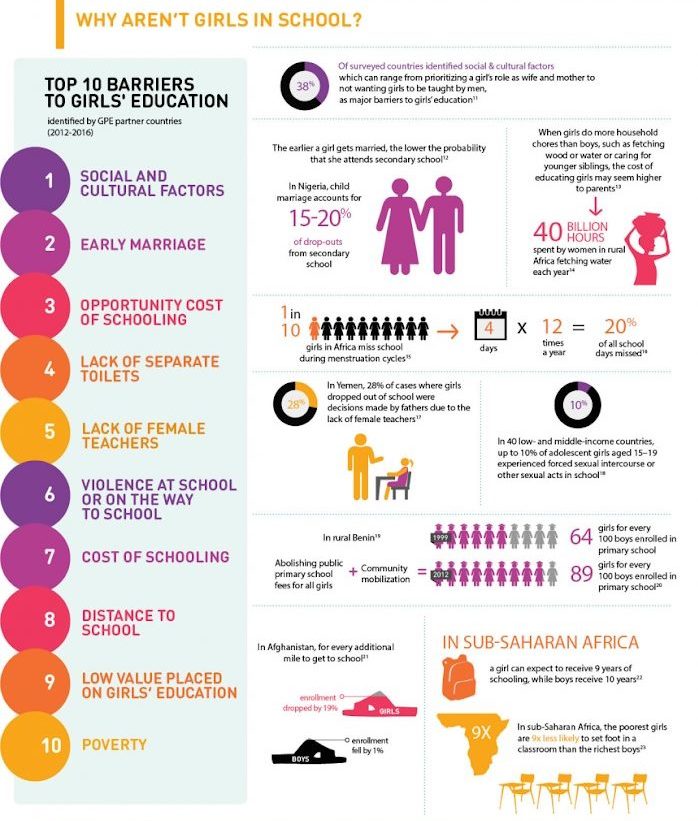 Image credit: Global Partnership for Education
There have been a number of small-scale studies conducted in Ethiopia, Ghana, India, Kenya, Malawi, Nepal, Nigeria, Tanzania, United Kingdom, United States, Zambia and across continents that have found varying negative effects of menstruation on girls’ school attendance. These studies highlight the challenges girls face while managing menstruation in schools starting with physical pain/discomfort and unfavourable school environments.
Experiencing menstrual pain and discomfort is considered to have a negative effect on both attendance and participation in class. Equally, girls can have a harder time engaging fully in school activities if they are forced to stay at home due to a lack of pain medication, insufficient menstrual hygiene materials, inadequate water and sanitation facilities in schools, unsupportive environments and fear of a menstrual accident. Lacking sanitary products and facilities can make it difficult for girls to go to school during their period.
In some parts of the world, parents and communities consider a girl’s first period a sign that she is a woman, ready for marriage, reproduction and motherhood.
Based on surveys in nearly 50 low-income countries, UNICEF estimates that on average only 51% of schools have adequate water sources and only 45% have adequate sanitation facilities. A recent study among Kenyan schoolgirls also showed that some girls engage in transactional sex in order to obtain money for sanitary towels so that they can attend school.
Furthermore, discriminating social and cultural factors and school-related violence can lead to higher school absenteeism. In societies where menstruation is a taboo, girls may not be allowed to leave the house when they are menstruating, or they may stay home out of shyness, embarrassment or fear of bullying and accidents. Girls missing school during their periods can lead to them falling behind and parents questioning the value of girls’ education. However, these claims must be verified through large-scale evidence-based research to determine the actual impact of menstruation on education.
A woman’s place
Menstrual-related school absence is also not confined to developing countries.
A 2018 study of girls’ experiences of menstruation in the UK by Plan International UK showed that 27% of girls in the UK have overused a period product because they couldn’t afford a fresh one, and 49% of girls in the UK have missed an entire day of school because of their period. The authors state that the lack of access to menstrual hygiene products is often seen as an external issue affecting lower income countries, but that in the context of austerity and the rise of homelessness and foodbank use, combined with a lack of supportive and accessible menstrual health management education, it is also being experienced in countries with developed economies such as the UK.
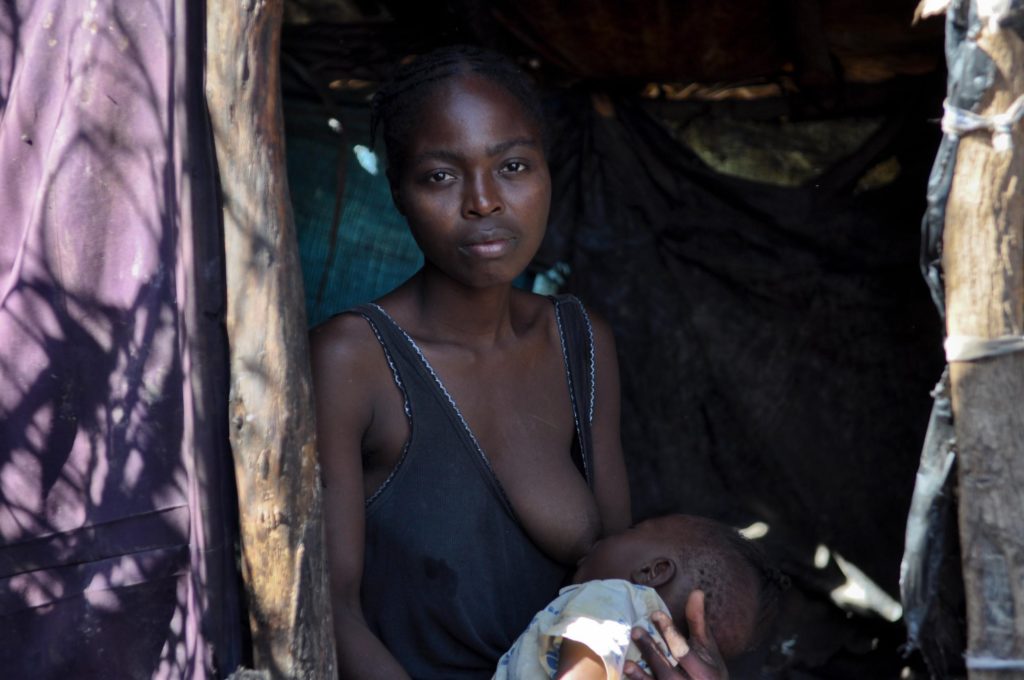 Image credit: David Naville
In some parts of the world, parents and communities consider a girl’s first period a sign that she is a woman, ready for marriage, reproduction and motherhood. Examples of this can be found all over the world, such as in Bangladesh, Ethiopia, Indonesia, Nepal or Pakistan. Child marriage is the formal (or informal) marriage of a child under the age of 18. The practice applies to both boys and girls but is in most cases the marriage of a young girl to an older man. Child marriage is a global issue but rates vary dramatically, both within and between countries. Worldwide, an estimated 650 million girls and women alive today were married before their 18th birthday.
One major consequence of child marriages is that many girls who are married are made to leave school, depriving them of their fundamental right to education and future independence: ‘‘By robbing girls of a chance to learn, grow and fully realise their potential, child marriage systematically disempowers them. It ensures that they remain dependent on others all their lives, strips them of their agency, makes them vulnerable to abuse and can trap them in a cycle of poverty.”
Furthermore, the events reinforce each other. If the onset of a girl’s first period is viewed as her readiness for marriage, she is made to leave school in order to get married. Vice-versa, when girls drop out of school, they are overwhelmingly more vulnerable to child marriage. They have a lack of economic independence that can trap them in a cycle of poverty. Parents can then view marriage as the only option for girls or as a way of reducing household costs.
It is crucial to make menstrual education part of an expanded agenda for sexual and reproductive health rights.
Parents and girls can also become increasingly fearful of potential sexual harassment when menstruation is associated with reproduction, and therefore consider school as an unsafe place for their unmarried daughters. In addition, parents may prefer girls to get married to contribute to the family’s income or prioritise knowledge not taught in school, such as how to maintain a household. This form of school absenteeism is more common in rural resource-poor settings, where girls who are already disadvantaged by social norms are even more likely to miss education opportunities.
The need for evidence-based research
It is crucial to understand the impact of a girl's menstrual cycle on the amount of education she receives, in order to find culturally sensitive approaches and fitting solutions for different kinds of school absenteeism.
Leaving the topic under-explored in the academic field can have disastrous long-term effects for generations of girls that will follow. If the influence of menstruation on school attendance remains unverified or uncertain, necessary actions could be neglected, or any actions undertaken to correct this could be the wrong ones or inefficient. This way, we cannot solve the underlying issue. Without a significant body of evidence, donors have limited means to influence where resources are attributed to in order to close the gender gap.
Menstrual health and hygiene is a matter of human rights and should therefore not go unrecognised. Upscaling the research on menstruation-related school absence could ultimately help tackle the taboo around menstruation and advocate for services and education to help girls stay in school, receive quality education and keep them out of marriage while they are adolescents and children.
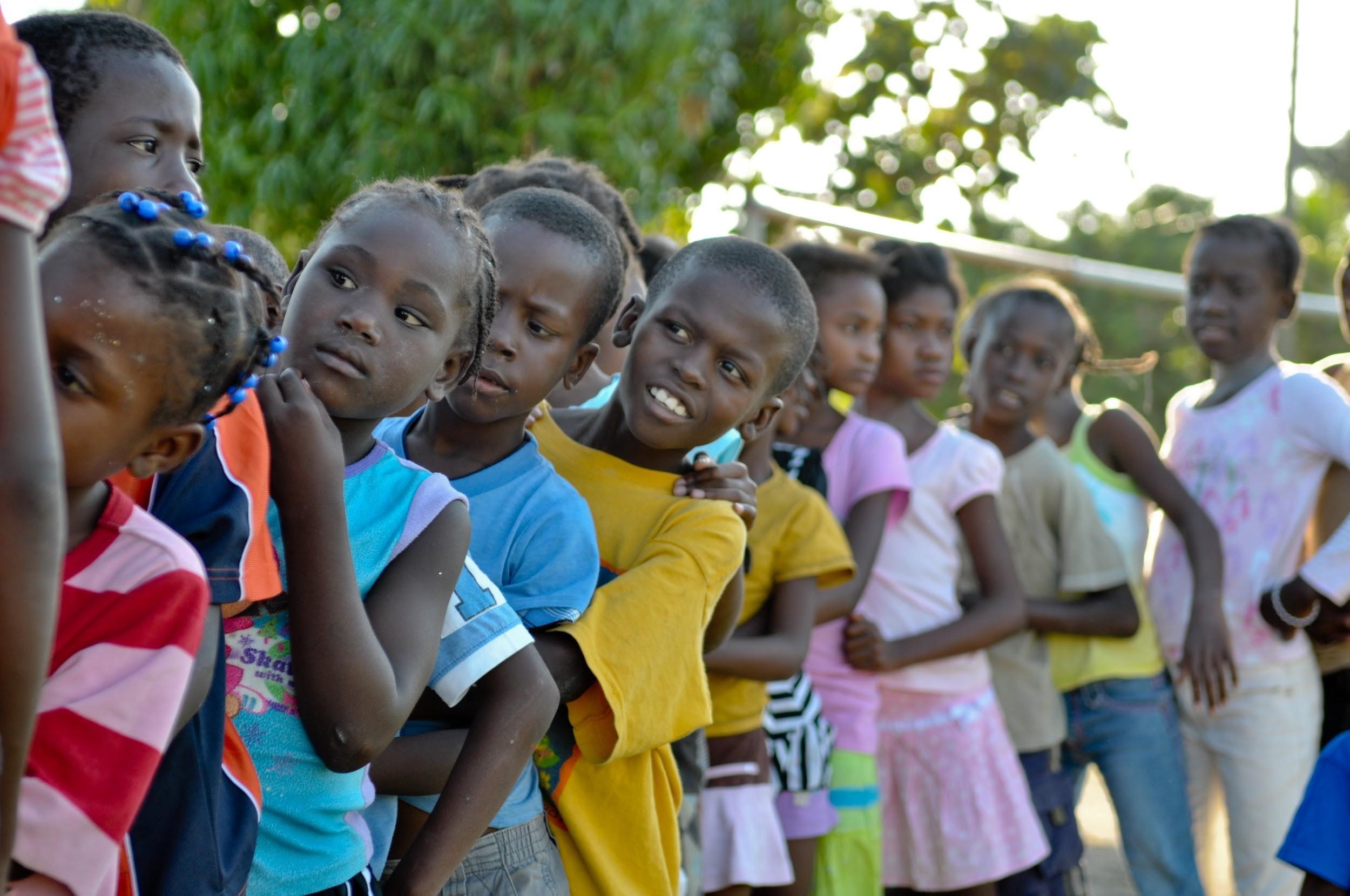 Image credit: David Naville
Education has long been seen as a pivotal element within menstrual health. (Pre-)menstrual education provides a window of opportunity to educate adolescents about changes occurring in their body, the reproductive system, fertility, contraception, consent and the risk of sexually transmitted diseases and HIV/AIDS. It can also be an entry point to start the conversation on child marriages and how to prevent it. Menstruation has a more pronounced effect on the quality and enjoyment of education than other aspects of puberty, as it involves a learning component as well as elements affected by the school environment and infrastructure.
It is therefore crucial to make menstrual education part of an expanded agenda for sexual and reproductive health rights and, in general, on women’s health through the life-cycle, with not merely a focus on the reproductive process but also on information about health issues that can affect them in different parts of their life.
In the end, menstruation is the biological indicator that pregnancy has not occurred. When an individual gets their period, it means that the egg that was released from her ovary was not successfully fertilised and implanted in the uterus, and the uterine lining is being shed from the body. This natural and vital part of the reproductive cycle should under no circumstances be a danger to a girl's wellbeing and development by ending her education or signalling that she is ready for marriage. It is and should be a normal part of growing up.
👋 You can create a post like this one! Share your thoughts with a community of public servants. Learn more
(Image Credit: Unsplash)
Make sure to share your own thoughts with the author by leaving a comment below

Log in or sign up to continue the conversation